What’s up, everyone! I’m proud to be part of a top – notch ultrasonic level meter supply crew. Today, I wanna have a chat about the impact of dust on the measurement of an ultrasonic level meter. Ultrasonic Level Meter
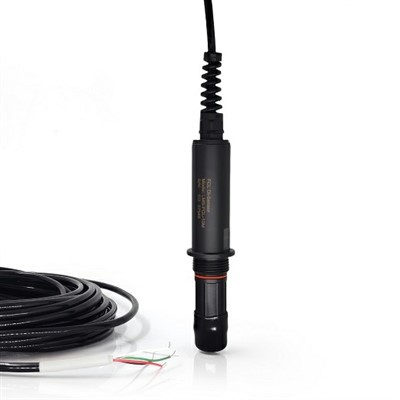
How an Ultrasonic Level Meter Works
Before we get into the dust stuff, let’s quickly go over how an ultrasonic level meter operates. It sends out ultrasonic waves. These waves travel through the air and hit the surface of the material whose level we’re measuring. When they hit that surface, the waves bounce back to the meter. The meter then calculates the time it took for the waves to make the round – trip. Based on that time and the speed of sound in the air, it can figure out the distance between itself and the material’s surface. And from there, it’s easy to determine the level of the material in the tank or container.
Dust in the Environment
Dust is everywhere in industrial settings. It can come from all sorts of things like mining operations, cement production, or even just the handling of powdery products. It can be fine like flour or a bit coarser, but either way, it’s a real hassle for our ultrasonic level meters.
The Impact of Dust on Signal Transmission
One of the biggest problems with dust is what it does to the ultrasonic signal. Ultrasonic waves need a relatively clear path to travel. When there’s a lot of dust in the air, the dust particles act like little obstacles. They scatter and absorb the ultrasonic waves.
Imagine the ultrasonic waves as a flashlight beam. If there’s a thick fog (similar to dust in our case), the light from the flashlight gets all spread out and weakened. That’s exactly what happens to the ultrasonic waves when they encounter dust. As a result, less of the signal reaches the target surface, and an even smaller amount is reflected back to the meter.
This can lead to inaccurate distance measurements. The meter might not get a strong enough signal to accurately calculate the time it takes for the waves to travel, and so it can misjudge the level of the material. Sometimes, it might even give a reading that’s way off, making it look like the level is higher or lower than it actually is.
False Echoes Caused by Dust
Another issue is false echoes. Dust particles can reflect the ultrasonic waves in all directions. Some of these reflections can reach the meter at the wrong time, creating what we call false echoes.
The meter is programmed to look for the main echo that comes from the surface of the material we’re measuring. But when there are these false echoes caused by dust, it can get confused. It might mistake a false echo for the real one, and that messes up the measurement.
For example, if there’s a big cloud of dust between the meter and the material surface, the waves might bounce off the dust and come back to the meter faster than they would have if they had gone all the way to the material surface. The meter then thinks that the surface is closer than it really is, and gives a wrong level reading.
Dust Buildup on the Transducer
The transducer is a crucial part of the ultrasonic level meter. It’s the part that sends out and receives the ultrasonic waves. Over time, dust can build up on the transducer.
When dust accumulates on the transducer, it can change the way the transducer functions. The dust layer can dampen the vibrations of the transducer, which means that the ultrasonic waves it sends out are weaker. And when the reflected waves come back, the transducer might not be able to pick them up as effectively because of the dust.
This buildup can also cause interference with the electrical signals in the transducer. The transducer relies on electrical signals to convert the mechanical vibrations (from the ultrasonic waves) into an understandable measurement. If there’s dust interfering with these electrical signals, the accuracy of the measurement goes down the drain.
Reduced Signal – to – Noise Ratio
Dust in the environment also affects the signal – to – noise ratio. The signal is the ultrasonic wave that we’re interested in, and the noise is all the other unwanted signals or interference.
With dust present, the noise level goes up because of the scattered waves and false echoes. But at the same time, the strength of the actual signal (the one reflecting from the material surface) goes down. This means that it becomes harder for the meter to distinguish between the signal and the noise.
The meter has to work harder to filter out the noise and find the real signal. In some cases, the noise can be so high that the meter can’t accurately detect the signal, leading to unreliable measurements.
How We Can Minimize These Effects
As a supplier of ultrasonic level meters, we’ve got a few tricks up our sleeves to deal with dust issues. First off, we design our meters with advanced signal processing algorithms. These algorithms can help filter out the false echoes and background noise caused by dust. They can analyze the incoming signals and figure out which ones are the real echoes from the material surface.
We also offer protective enclosures for our meters. These enclosures can keep the dust away from the transducer, preventing dust buildup. They’re made of tough materials that can withstand the harsh industrial environment and still allow the ultrasonic waves to pass through with minimal interference.
Regular maintenance is another key factor. We advise our customers to clean the transducers and the surrounding areas regularly. This can prevent dust from building up to the point where it seriously affects the measurement.
Conclusion
In conclusion, dust can have a pretty big impact on the measurement of an ultrasonic level meter. It can mess up the signal transmission, cause false echoes, lead to dust buildup on the transducer, and reduce the signal – to – noise ratio. But don’t worry! As a reliable ultrasonic level meter supplier, we’ve got solutions to these problems.
Civil Engineering Test If you’re in the market for an ultrasonic level meter that can handle dusty environments, or if you’re having issues with dust affecting your current meter, we’re here to help. We’ve got the expertise and the products to ensure accurate and reliable level measurements, no matter how dusty the situation gets. Reach out to us to start a discussion about your needs. We’re looking forward to working with you!
References
- Industrial Instrumentation Handbook: A Guide to Ultrasonic Level Measurement
- Studies on the Effects of Environmental Factors on Ultrasonic Sensors
Dalian Yheng Technology Co., Ltd.
Dalian Yheng Technology Co., Ltd. is one of the leading ultrasonic level meter manufacturers and suppliers in China, also supports customized service. We warmly welcome you to buy high quality ultrasonic level meter in stock here from our factory. Contact us for more details.
Address: F1605, NO.10 Huoju road, High-tech Industrial Zone, Dalian, China
E-mail: admin@dlyheng.com
WebSite: https://www.yhengphmeter.com/
