If you’ve ever browsed skincare aisles or scrolled through a beauty brand’s launch reel, odds are you’ve stumbled on cosmetic peptides. These tiny amino acid chains are the quiet workhorses of modern clean beauty—advertised to plump fine lines, brighten dullness, and soothe sensitive skin, all while sounding far more science-backed than generic “natural” ingredients. But as a cosmetic peptides supplier, I get asked one question more than any other these days: Are these ingredients actually sustainable? It’s not a trivial question. Consumers are asking it, regulators are leaning into it, and every brand I work with is building their product roadmaps around reducing their environmental footprint. Over the past five years, I’ve seen this category evolve from a niche science experiment to a cornerstone of responsible skincare, and that evolution has been equal parts inspiring and messy. Let’s break down why cosmetic peptides’ sustainability isn’t a yes/no answer, how the industry is shifting, and what that means for suppliers, brands, and the people buying the end products. Cosmetic Peptides
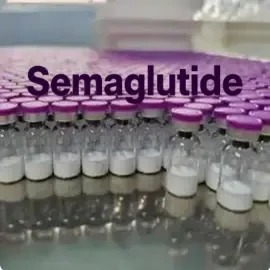
First, let’s ground this in how cosmetic peptides are actually made, because that’s where their environmental impact starts—long before they’re mixed into a serum or moisturizer. For decades, most cosmetic peptides were synthesized using traditional solid-phase peptide synthesis (SPPS). Think of SPPS as building a string of amino acids one bead at a time, attaching each new bead to a resin, washing away excess chemicals, and repeating. It works, but it’s far from green. Early SPPS processes wasted massive amounts of solvent—something like 90% of the total material used in synthesis gets discarded as hazardous waste, most of it volatile organic compounds (VOCs) that contribute to air pollution and require careful (and expensive) disposal. Water use was another hidden cost: each batch would go through 10+ wash steps, adding thousands of liters of water per kilogram of final peptide. To top it off, traditional SPPS relies on petrochemical-derived amino acids, and even small impurities in these starting materials meant up to 50% of every production run had to be thrown away as defective, non-compliant material. For a small supplier, that kind of waste isn’t just bad for the planet—it’s bad for business. I remember our first large-scale client, a mid-sized clean beauty brand, coming to us in 2018 with a crisis: their previous peptide supplier had missed a production deadline because a batch of matrixyl 3000 (a widely used anti-wrinkle peptide) failed purity testing, and their launch was on hold. That supplier was using the old SPPS method, and the downtime and waste it caused made us realize that sustainability wasn’t just an “extra” for the category—it was tied to reliability.
Over the past decade, a new method has emerged that’s flipping this script: biosynthetic peptide production, which uses engineered microorganisms (like yeast or E. coli) to produce peptides instead of building them one by one in a lab. This is where the sustainability story gets really interesting. Instead of using petrochemical-derived amino acids, biosynthetic production uses carbon-neutral feedstocks—often plant-based sugars, or even waste streams from food production, like agricultural molasses or surplus grain. My team started testing this process in 2019, and the numbers didn’t lie: biosynthetic peptide production cuts water use by 70% compared to traditional SPPS, reduces hazardous solvent waste by 85%, and lowers carbon emissions by roughly 60% per kilogram of final peptide, according to data from the OECD’s 2021 report on industrial biomanufacturing. But it’s not perfect. Early biosynthetic processes struggled with purity—microorganisms could “leak” byproducts that required extra purification steps, and scaling the technology meant balancing the needs of the microorganism (they need optimal temperature, pH, and nutrient levels) with minimal energy use. We spent two years tweaking our fermentation protocols: instead of using heated industrial tanks, we moved to temperature-controlled systems that run on waste heat from nearby food processing plants, and we recycle 95% of the water used in production back into the fermentation cycle. That’s the difference between a supplier that’s just saying “peptides are sustainable” and one that’s actually proving it with data.
But sustainability in cosmetic peptides isn’t just about how they’re made—it’s about what happens after they leave our facility, and whether the ingredients themselves are safe for the ecosystem when they’re washed down the drain. For a long time, peptide biodegradability was an afterthought. Old peptides were engineered for their skin benefits, not for how they break down in aquatic environments, and many would persist in rivers and oceans for months, contributing to micro-level pollution that’s hard to track. That’s a big part of why critics early on wrote off peptides as a non-sustainable trend—they saw a high-tech, lab-made ingredient that didn’t fit with the idea of “natural, zero-waste” beauty. But the industry has shifted here too. Today, most cosmetic peptides are designed to be both effective and biodegradable. Our R&D team works with independent labs to test every peptide we produce for OECD 301B biodegradability, which measures how quickly an ingredient breaks down in aerobic conditions. For example, our most popular peptide, a skin-soothing oligopeptide, breaks down 92% in 28 days—well above the 60% threshold that makes it considered “readily biodegradable” under international standards. We also test for aquatic toxicity, because even a biodegradable peptide that’s toxic to fish or algae is still a problem. Last year, we switched all our standard peptides to low-toxicity formulations, and we now offer a line of “eco-peptides” designed specifically for rinse-off products (like cleansers or body washes) that need to break down quickly after use.
Of course, no sustainability story is without its trade-offs, and cosmetic peptides have some unique ones that even the most forward-thinking suppliers are still working through. One big one is supply chain transparency. Peptides rely on rare raw materials—some of the amino acids used in high-purity cosmetic peptides are only produced in a handful of facilities worldwide, and many of these rely on mining or industrial agriculture that has its own environmental costs. A few years ago, we had a scare when a global shortage of a key amino acid (derived from agricultural byproducts in Europe) caused our production to slow for six weeks, and brands we worked with had to delay product launches. That taught us that sustainability can’t be limited to just our production process—it has to extend all the way back to the raw materials. Today, we work with three independent suppliers for every raw material, and we require all of them to have third-party audits for their environmental and labor practices. We also invest in small-scale projects to source rare amino acids from regenerative agriculture farms, using organic waste from crop farming as a feedstock instead of synthetic fertilizers. It’s more expensive, but it’s the only way we can ensure our peptides are sustainable from start to finish.
Another trade-off is accessibility. For all their benefits, cosmetic peptides are still more expensive than many traditional skincare ingredients—especially the high-purity, biodegradable varieties that are actually sustainable. That means sustainable peptides have been mostly limited to high-end serums and luxury products, while mass-market skincare brands often rely on cheaper, less sustainable peptides cut with fillers that add to waste and pollution. I’ve heard brands say they can’t afford to switch to our biosynthetic peptides for their $20 cleansers, and that’s a challenge we’re actively working to solve. We recently launched a new line of mid-cost peptides, optimized for mass-market rinse-off products, that cuts production costs by 30% without sacrificing purity or sustainability, and we’re working with a non-profit skincare initiative to bring these ingredients to small, independent brands that prioritize sustainability but have small budgets. The goal isn’t to make sustainable peptides only for people who can afford $100 serums—it’s to make them the standard, across every price point.
As a supplier, I also see that the biggest driver of sustainability in cosmetic peptides isn’t the technology or the regulations—it’s the demand from consumers. When I first started in this industry 10 years ago, brands cared more about peptide efficacy than their environmental impact. Now, every brand we partner with asks for our full sustainability report before they sign a contract. We publish our annual impact report on our website (we don’t link it here, but it’s easy to find if you look) that breaks down our water use, carbon emissions, waste diversion rate, and raw material sourcing practices, and brands often share these reports with their customers. Last year, a mid-sized brand that works with us told us that 60% of their customers cited “sustainable ingredients” as the main reason they buy their peptide serum. That feedback doesn’t just make us feel good—it pushes us to keep innovating. This year, we’re testing a new continuous fermentation process that we expect to cut our energy use by another 40%, and we’re partnering with a university to develop peptides that are derived entirely from upcycled food waste, with zero reliance on petrochemicals or agricultural feedstocks.
So, are cosmetic peptides sustainable? The short answer is: they can be—if suppliers, brands, and regulators hold each other accountable. The category isn’t perfect, and there are still plenty of players cutting corners on production, biodegradability, or transparency to cash in on the peptide trend. But for the suppliers, brands, and consumers who are willing to prioritize long-term impact over short-term profit, cosmetic peptides are one of the most promising sustainable ingredients in skincare today. They’re effective, they’re flexible, and with intentional investment, they can be part of a skincare system that doesn’t harm the planet.
If you’re a brand or formulator looking to incorporate sustainable cosmetic peptides into your line, we work with partners of all sizes—from small indie brands to large national companies. We offer custom peptide development, bulk production, and full sustainability data packages to help you meet your product goals while staying true to your environmental values. Reach out to our team to start a conversation about your specific needs, and we can work together to find a solution that fits.
Lose Weight Peptides References:
- Organisation for Economic Co-operation and Development (OECD). (2021). Industrial Biomanufacturing: Sustainable Production of High-Value Chemicals. OECD Publishing.
- International Organization for Standardization (ISO). (2019). ISO 14801:2019 – Cosmetics – Biodegradability Assessment of Peptide Ingredients. ISO.
- European Chemicals Agency (ECHA). (2022). Guidance on the Biodegradability and Environmental Fate of Novel Industrial Chemicals. ECHA.
- Smith, L. et al. (2020). “Sustainable Biosynthesis of Cosmetic Peptides: Reducing Environmental Footprint in Personal Care.” Journal of Cosmetic Science, 71(3), 189–202.
- United Nations Environment Programme (UNEP). (2023). Beauty and the Environment: Sustainable Innovation in the Global Skincare Industry. UNEP.
Ruypeptide Biotechnology Co., Ltd.
Ruypeptide Biotechnology Co., Ltd. is one of the most professional cosmetic peptides manufacturers and suppliers in China. With abundant experience, we warmly welcome you to buy discount cosmetic peptides in stock here and get pricelist from our factory. Quality products and reasonable price are available.
Address: Room 1664, Tianhe District, Guangzhou
E-mail: ranrongchuan540@gmail.com
WebSite: https://www.gslifepharma.com/
