If you’ve ever pulled a fresh, perfectly fitting women’s knitwear piece out of the washing machine only to find it stretched out of shape, saggy at the shoulders, or covered in weird lumpy damp spots, you know how devastating that can be. As someone who’s spent years as a women’s knitwear supplier—working with fine merino, cozy cashmere blend, mid-weight cotton knit, and everything in between—I’ve seen firsthand how many small, avoidable mistakes turn a high-quality knit into something unwearable. For us, drying isn’t just a “wait until it’s dry” step; it’s the part that makes or breaks a garment’s longevity, fit, and softness. Over the years, I’ve tested dozens of methods, consulted with textile chemists, and learned from hundreds of customer feedback forms, and today I’m breaking down exactly what works (and what’s a hard no) for every type of women’s knitwear. Women’s Knitwear
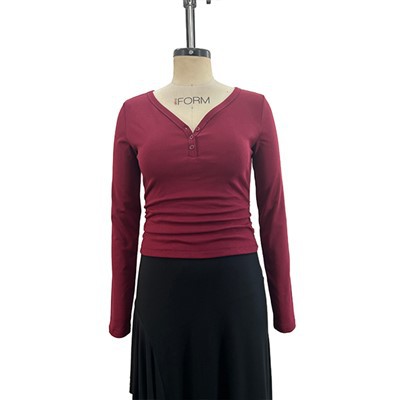
First, let’s get one thing straight: women’s knitwear is not a t-shirt. The construction—those interlocking loops of yarn, the stretch in different fibers, the often delicate details like ribbed cuffs, lace panels, or hand-embroidered accents—makes it far more sensitive to moisture and weight than most other clothing. A standard cotton t-shirt can handle a quick tumble dry on low heat, but a fine cashmere sweater? That same process will shrink it two sizes, stretch the sleeves three inches, and fade the softness so it feels like scratchy wool. Even “sturdy” knits, like a chunky cardigan or a cotton ribbed turtleneck, can develop uneven tension and pilling if dried incorrectly. That’s why we at our brand have spent years refining our care guidelines, because we want the pieces we ship to our customers to last for years, not just a few wears.
Let’s start with the gold standard: flat drying. This is the method we recommend for 90% of the women’s knitwear we produce, and it’s the one that gets the best results for every fiber type, from lightweight merino to heavy wool blends. But it’s not just laying a sweater on your bedroom floor and forgetting about it—there’s a right way to do this, and a wrong way.
First, always start with a well-wrung knit. Never skip the step of removing excess moisture before drying. If you just pull a knit out of the washing machine and lay it flat, it will take twice as long to dry, sit in damp fabric longer (which can lead to mildew or odors), and the heavy weight of the water will stretch the shape as it dries. For best results, avoid wringing with your hands—twisting and squeezing too hard can warp the knit’s structure, especially for fine fibers like cashmere or silk blend. Instead, use a gentle squeeze: hold the sweater (or cardigan, or scarf) in both hands, gently press to push out water, and let it drip for a minute over the sink. For extra moisture, you can wrap the knit in a clean, dry cotton towel—cotton is ideal because it’s absorbent, lint-free, and doesn’t leave any residue on delicate fibers. Roll the towel and knit together gently, like you’re making a burrito, then press lightly to soak up water. Don’t roll tightly or twist—you just want the towel to pull out extra moisture, not distort the shape.
Once you’ve prepped the knit, lay it flat to dry. The surface matters a lot here. Avoid laying knits directly on carpet, because carpet fibers can get tangled in loose knit loops, and the lint and dirt from the carpet can transfer onto the garment. Even worse, carpet can hold dampness, so if you lay a wet knit there, it might never fully dry, leading to musty smells and mildew. Opt for a clean, flat surface: a wooden table, a mesh drying rack (mesh is way better than a solid rack, because air can circulate around the entire knit, preventing mildew and cutting drying time in half), or even a clean bed sheet laid over a couch (but make sure it’s a sheet with no patterns, so dye doesn’t transfer—especially for light-colored knits like our pale blue merino pullovers or our ivory cashmere cardigans).
When laying the knit flat, reshape it while it’s still damp. This is non-negotiable. I can’t tell you how many times I’ve seen a customer write in saying their new cardigan arrived perfectly, but after one wash it’s too short in the torso and too long in the arms—all because they didn’t reshape it. For sweaters, pull the shoulders back to their correct width, smooth out the sleeves so they’re even, gently tug the hem to its original length, and for knits with ribbed details, run your fingers along the ribs to bring them back to their original tightness. For scarves, pull both ends to their full length (but not so hard that you stretch the fabric), and for lacy knits, gently adjust the lace pattern so it lays flat instead of crumpled. For heavy knits, like our chunky wool-blend cardigans, you can even prop the hem up a little on a couple of books so air circulates underneath the center of the garment—this prevents the bottom from sitting in a puddle of damp fabric and sagging as it dries.
How long does flat drying take? That depends on the fiber and the thickness of the knit. A lightweight merino tank top will dry in 4-6 hours in a cool, low-humidity room, while a thick chunky knit sweater can take 12-18 hours. The biggest rule here is: never hang knitwear to dry. I know it’s tempting—hanging is fast, and it saves space—but it’s one of the worst things you can do for most knits. The weight of the wet fabric pulls on the shoulders, sleeves, and hem, leading to permanent stretching. Even if you hang a sweater with care (using a wide, padded hanger and folding the shoulders over the hanger), you’re still putting uneven tension on the knit. We only recommend hanging knitwear for delicate, lightweight pieces like silk-blend camisoles or thin lace scarves, and even then, we suggest using a wide velvet hanger to distribute weight evenly, and never leaving it hanging overnight. For all other knits, flat drying is non-negotiable.
Now, what about tumble drying? There’s a lot of debate about whether tumble drying is ever okay for knits, and the short answer is: rarely. But for some specific, sturdier knits, it can work—if you do it right. We only recommend tumble drying for our mid-weight cotton knits, like our casual ribbed turtlenecks or our cotton-blend weekend cardigans, and even then, only on the lowest possible heat setting. High heat will shrink even cotton, ruin elastic in waistbands or cuffs, and break down fibers over time. Before tossing a knit in the dryer, make sure it’s 80% dry already—if it’s still more than 20% damp, the tumbling will cause more stretching and pilling. We also suggest putting the knit inside a clean, mesh laundry bag to protect it from snagging on other clothing, and adding a couple of clean, dry tennis balls (or dryer balls) to the load. The balls fluff up the knit as it tumbles, preventing it from clumping together and reducing static, which is a common issue with synthetic blends. Even with all these steps, we recommend tumble drying for no more than 10-15 minutes at a time, then taking it out to check the shape and finish air drying flat for the rest of the time. Never leave a knit in the tumble dryer until it’s completely dry—air drying is the final step to avoid shrinking or damage.
What are the methods you should avoid at all costs? Let’s go over the ones that I’ve seen ruin more knits than anything else. First, hanging wet knits to dry—we already talked about that, but it’s worth repeating. Second, using high heat for any type of knit, even “pre-shrunk” wool. Pre-shrunk doesn’t mean heat-proof; it means it’s gone through a mild pre-shrinking process at the factory, but high heat at home will still cause shrinkage. Third, using clothes pins on knits. Clips can leave permanent indentations in delicate fibers, and pulling a clip off a damp knit can snag yarns, leading to runs and holes. Fourth, drying knits in direct sunlight. Sunlight is great for bleaching white towels, but for knits, especially light-colored ones, direct sunlight can fade fibers, turn bright whites yellow over time, and make cashmere or merino feel rough. We always recommend drying knits in a cool, shaded area, out of direct sun. And finally, using fabric softeners or dryer sheets for knits. Fabric softeners coat the outer layer of yarns with chemicals that make them feel soft temporarily, but they clog the tiny gaps in the knit fabric, reduce breathability, and can even cause pilling over time. For a fresh, soft feel after drying, we recommend using a small amount of wool-specific detergent during washing, and a quick steam (we’ll talk about that next) instead of chemical softeners.
Once your knit is dry, there’s one last step that makes a huge difference: steaming. Knits, especially those that have been laid flat to dry, can develop minor wrinkles or a slightly lumpy texture. A quick steam (not an iron—ironing knits can crush fibers and leave shiny marks) will smooth them out and bring back that soft, fresh-from-the-factory feel. We recommend using a handheld steamer, holding it 6-8 inches away from the knit, and steaming in gentle upward motions without pressing the steamer directly onto the fabric. For ribbed details, gently run your fingers along the rib while steaming to bring back the tight, shape. Never iron knits—even on the lowest setting, the direct heat of an iron can melt synthetic fibers, crush lace patterns, and leave permanent shiny patches.
Now, let’s talk about specific knit types, because not every knit is the same. Our fine cashmere knits, like our basic crewneck pullovers, are the most delicate. We always recommend flat drying only, and never washing them in hot water, but even in cold water, after washing, they need extra care. For cashmere, after rolling in a towel to remove excess moisture, lay it on a mesh rack, reshaping gently, and let it dry for 12-16 hours. Never hang cashmere, and never tumble dry it—cashmere is a protein fiber, like hair, and high heat will make it felt and shrink permanently.
For our merino wool knits, which are a little sturdier than cashmere but still delicate, the same flat drying rule applies. Merino is resistant to shrinking, but it can stretch out of shape if wet and hung, so flat drying is still best. Lightweight merino knits can take 6-10 hours to dry, while mid-weight merino sweaters take 10-14 hours.
For our cotton and acrylic blend knits, which are designed to be more casual and durable, you can use the tumble dry method we talked about earlier, on low heat, for 10-15 minutes, then finish air drying. Just make sure not to leave them in the tumbler too long, as cotton can shrink if over-dried on heat.
For lace knits, which are super delicate and have lots of open patterns, flat drying is absolutely the only way. We recommend laying them on a towel with a clean, light layer of tissue paper over them to keep lint off, and reshaping the lace pattern gently as they dry. Lace knits can take longer to dry, up to 18 hours for a large shawl or cardigan, so make sure you leave enough time.
As a women’s knitwear supplier, one of the things we hear most from customers is that they’re afraid to wash their nice knits at home, so they send them to the dry cleaner every time. But most knits—even cashmere—are machine washable if you follow the right steps, and washing at home is gentler than dry cleaning (which uses harsh chemicals that can break down fibers over time). The drying step is the most critical part, and mastering it is the key to making your favorite knitwear pieces last for years, even decades.
I’ve been in this industry for over a decade, and I’ve seen so many customers throw away perfectly good knits because of a bad drying job. A $100 cashmere sweater that gets stretched out after one wash, or a $80 lace cardigan that shrinks two sizes, is a total waste, and it doesn’t have to happen. The best way to dry women’s knitwear is simple: take your time, pre-shape while damp, lay it flat in a well-ventilated area, and avoid high heat and hanging. It’s not a complicated process, but it’s one that makes all the difference in how your knits look and feel wear after wear.

If you’re a boutique owner, a reseller, or a retailer looking for high-quality women’s knitwear that comes with clear care guidelines to help your customers keep their pieces in perfect condition, we’d love to talk. Our range of knits is designed for longevity, and we work closely with partners to create pieces that hold their shape wash after wash, when cared for correctly. Reach out to us to learn more about our collection, wholesale pricing, and how we can support your brand’s needs.
Knitted Dress References
Textile Institute. (2020). Care and Maintenance of Knitted Apparel. Textile Institute Professional Reference Series.
Lentz, S. (2019). The Science of Drying Natural Fiber Knitwear. Journal of Textile and Apparel Technology and Management.
National Laundry and Dry Cleaning Association. (2021). Home Care Guidelines for Delicate Garments.
Woolmark Company. (2022). Home Care Best Practices for Wool Knitwear.
Zhongshan Aorong Clothing Co., Ltd.
As one of the leading women’s knitwear manufacturers and suppliers in China, we offer a wide range of products with superior quality. Please rest assured to buy customized women’s knitwear made in China here from our factory. For quotation, contact us now.
Address: No. 2, Xingyuan Road, Pingdong Industrial Zone, Sanxiang Town, Zhongshan City, Guangdong Province, China
E-mail: aorong@takvengcn.com
WebSite: https://www.cnaorong.com/
