Hey there, if you’re out scouting materials for a new pergola, you’ve probably stumbled on structural bamboo by now—curious, maybe a little skeptical, or just overwhelmed by all the options. I’m the owner of a structural bamboo supply company, and let me tell you, this stuff isn’t just the flimsy garden stake you might remember from middle school. It’s become one of the most talked-about sustainable building materials around, and it works really well for pergolas. Let’s break it down, no fancy jargon, just real talk from someone who’s been selling this stuff for years. Structural Bamboo
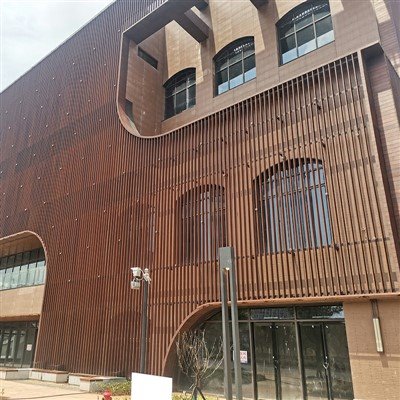
First, let’s get the basics out of the way. A pergola isn’t a full outdoor structure—it’s that open-air frame you see over patios, decks, or garden paths, meant to shade you a little (hello, dappled sunlight) without closing you off from the breeze or the view. You need something sturdy enough to hold up under rain, wind, maybe even a light layer of snow, but also light enough that you don’t need a whole crew of engineers to install it. Plus, let’s be real, you want it to look good—warm, natural, not like that generic pressure-treated lumber that rots in 5 years and bleeds weird chemicals into your plants. That’s where structural bamboo fits in.
A lot of people ask me: “Is bamboo actually strong enough for a pergola?” Short answer: Heck yeah. When we process it for structural use, we’re not just cutting a stalk out of the ground and calling it done. We do this thing called densification—we strip the bamboo stalk of its outer skin and inner pith, then heat and compress it under high pressure. That squeezes out the air, makes the grain super dense, and turns bamboo’s natural tensile strength (it’s actually stronger than steel when you pull it lengthwise, fun fact) into something that can hold up to all the outdoor abuse a pergola will face.
Let’s compare it to the usual options, just to put it in perspective. Pressure-treated pine is cheap, but it’s soft, scratches easily, and the chemicals leach out over time—bad for your vegetable garden or for kids playing on the patio. Cedar is nicer looking, but it’s prone to rot, warping, and termites if you don’t seal it every year. Composite decking? It’s low-maintenance, but it’s made from plastic and wood waste, and it gets super hot in the sun—like, forget bare feet on a 90-degree day. Structural bamboo hits a sweet spot here. It’s denser than cedar, so it resists warping and rot way better, but it’s still lighter than pressure-treated lumber (so easier to haul and install yourself if you’re handy) and way more sustainable. And that warm, golden-brown grain? It ages to a soft silver over time, which looks amazing in any backyard, no fancy staining required for at least a few years.
Wait, but hold on—bamboo is a grass, right? Does that mean it’s prone to splitting or cracking after a season or two? Not when it’s structural-grade. Regular bamboo stakes are thin and untreated, so they dry out and snap. But our structural bamboo goes through a treatment process too—we pressure-inject it with borate preservatives that kill termites, fungi, and mold, without using any harsh, toxic chemicals. That’s a big win for people who care about non-toxic outdoor spaces. We also kiln-dry it to a consistent moisture level (around 12%, same as good quality lumber) so it doesn’t shrink or expand more than normal when the weather changes. I’ve had customers install their pergolas 7 years ago and they look just as good as the day they put them in—no splits, no cracks, no wobbly posts.
Now, let’s talk about the practical stuff for pergolas specifically. What size posts and beams do you need? That depends on how big your pergola is, obviously. For a standard 10×12 ft pergola, 4×6 inch structural bamboo posts work great—they’re thick enough to hold up the beams without looking bulky. For bigger pergolas, like 12×16 ft or ones that are attached to your house, you might need 6×6 inch posts, but that’s still lighter than a 6×6 pressure-treated pine post. The beams? We usually recommend 3×8 inch or 4×8 inch structural bamboo, depending on the span between posts. Most of our customers go with 1.5×6 inch slats for the roof, too—those are sturdy enough to hold up light climbing plants like wisteria or jasmine, which is a huge bonus for people who want to grow a little greenery over their pergola.
One question I get all the time: “Is structural bamboo resistant to weather?” Let’s be real, no building material is invincible. Left untreated, any wood (or grass, for that matter) will rot if it’s constantly sitting in standing water. But structural bamboo is rated for exterior use, same as pressure-treated lumber or cedar. The key is proper installation—you can’t bury the posts directly in the ground, for example. You need to set them in concrete footings, or use post anchors that lift the bottom of the post 2-3 inches above the ground to keep water from pooling around it. Same with slats: leave a tiny gap between each slat so water can drain through, don’t lay them so tight that they hold moisture. If you follow those basic rules, your bamboo pergola will hold up for 20+ years. I’ve got a customer in Seattle, where it rains basically every other day, whose bamboo pergola is going on its 15th year—still looks sharp.
Wait, but what about cost? I know that’s a big factor for most people. Structural bamboo is a little more expensive than pressure-treated pine upfront, but way cheaper than cedar or even composite. And when you factor in that it lasts way longer than pine (which you’ll have to replace every 5-7 years) and needs almost no maintenance (no annual staining, no sealing, just a quick wipe down with a pressure washer once a year), it ends up being a better deal long term. A lot of my customers tell me they were worried about the price at first, but now they say they’d never go back to anything else.
Let’s also talk about the sustainability angle, because that’s a big part of why I got into this business in the first place. Bamboo is one of the fastest-growing plants on Earth—it can grow up to 3 feet a day. Unlike trees, which take 20-50 years to mature, bamboo is harvested in 3-5 years, and it grows back from the same root system, so you don’t have to cut down the whole stand. Structural bamboo production also uses way less energy than lumber, and we don’t have to clear-cut forests to make it. So when you build a pergola with structural bamboo, you’re not just getting a nice outdoor structure—you’re making a choice that’s better for the planet. That’s something my customers love telling their friends about, too.
But wait, let’s be honest—structural bamboo isn’t for everyone. If you want that super rustic, weathered look in 2 years, maybe go with cedar. If you’re on a super tight budget and you plan to redo your pergola every 5 years, pressure-treated pine is your call. But if you want something that’s sturdy, good-looking, sustainable, and low-maintenance, structural bamboo is the way to go.
I’ve seen all kinds of bamboo pergolas over the years—small ones over apartment patios, big ones over backyards with outdoor kitchens, even ones with hot tubs under them. They fit every style, too. If you like modern, sleek design, you can sand the bamboo to a smooth finish and leave it natural. If you want something more traditional, you can stain it a darker brown or even paint it, though most people love the natural look. It’s also super versatile—you can add lights to the beams, hang curtains from the slats, attach a retractable canopy, whatever you want.
Let me wrap this up for anyone still on the fence. Can structural bamboo be used for pergolas? Absolutely. It’s strong enough to hold up to all the outdoor elements, it’s non-toxic and sustainable, it looks amazing, and it’s low-maintenance. I’ve been supplying structural bamboo for pergolas for years, and I haven’t had a single customer come back saying it was a bad choice.
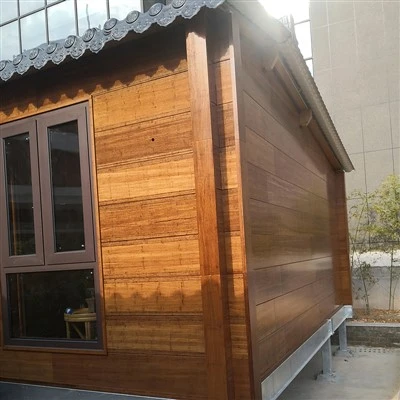
If you’re ready to talk about your next project, whether it’s a small backyard pergola or a bigger one, feel free to reach out. I can help you figure out exactly what sizes and amounts you need, answer any other questions you have, and get you set up with high-quality structural bamboo that’ll last for decades. Don’t hesitate to connect to start planning your perfect outdoor space.
Decking Bamboo References
- Global Bamboo & Rattan Organization. (2022). Bamboo as a Structural Building Material: Properties and Applications.
- American Wood Protection Association. (2021). Preservative Treatment for Exterior Bamboo Products.
- University of California Agriculture and Natural Resources. (2020). Bamboo in Outdoor Construction: Durability and Maintenance.
- International Code Council. (2019). Evaluation Report for Structural Bamboo Lumber for Residential Construction.
Fujian Jingmingsheng Forestry Technology Co., Ltd.
As one of the most professional structural bamboo manufacturers and suppliers in China, we offer a wide range of products with superior quality. With abundant experience, we warmly welcome you to wholesale bulk structural bamboo in stock here from our factory. Customized orders are welcome.
Address: No. 1, Daban, Fuzhuang, Xiyang Town, Yongan City, Sanming City, Fujian Province
E-mail: 17759790120@163.com
WebSite: https://www.jingangzhu.com/
