If you’ve ever run a needle through layers of soft fabric, trimming loose threads and arranging small patches into a cohesive design, you know a quilt is more than a stack of cloth—it’s a mix of intention, craft, and carefully chosen materials. As a quilt supplier who’s worked with fabric shops, long-arm quilters, and hobbyists for over a decade, I’ve seen firsthand how the right supplies turn a pile of odds and ends into a heirloom piece that gets wrapped around babies, draped over couch arms, and passed down through families. Today, I’m breaking down exactly what goes into a high-quality quilt, no guesswork required. Quilt
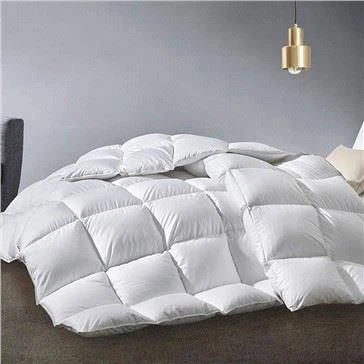
First, let’s start with the star of any quilt: the top fabric. This is the layer you see—all those cut patches, appliqués, or printed panels that make the design. Not all fabrics work equally well here, and choosing the wrong one can lead to headaches mid-project. Early on in my business, I learned this the hard way: a customer once used a thin, silky polyester she had leftover from a prom dress for a baby quilt top, and within a month, the fabric stretched out of shape and the patches pilled. That’s why most professional quilters, and my team’s go-to pick, is 100% cotton quilting fabric. It’s tightly woven, holds its shape through dozens of wash cycles, and takes printed patterns or dyes evenly. We stock it in pre-cut squares (called charm packs or layer cakes) for beginners, half-yard cuts for custom patterns, and wide backs for larger projects, all pre-washed to prevent shrinkage after the top is sewn together. For bold, textured designs, some quilters opt for linen or cotton-linen blends, though they do require a bit more tension when sewing to avoid puckering. We also carry a small selection of vintage cotton snippets for anyone making a throwback piece—each cut is pre-checked to ensure it’s free of weak spots or stains, so it’s ready to work with.
Next, the middle layer, the one that turns a flat cloth into a quilt you can snuggle under: batting (or wadding, as it’s called in some parts of the world). This is the unsung hero—its loft, thickness, and warmth determine how cozy a quilt feels, and how it drapes. There are four main types of batting, and each serves a different purpose. Polyester batting is the most budget-friendly; it’s lightweight, resists mildew, and holds its shape well, making it perfect for kid’s quilts or outdoor throws that might get regular use. We keep low-loft (thin, for wall hangings or structured designs), mid-loft (the all-around pick for bed quilts), and high-loft (plush, like a cloud, for decorative floor quilts) polyester in stock. Then there’s cotton batting, made from 100% natural cotton. It’s breathable, so it won’t trap heat in summer, and it has a soft, matte finish that works beautifully for hand quilting. It’s our top seller for heirloom quilts, even though it’s a bit more expensive and shrinks slightly when washed—we always recommend pre-washing it before use to avoid post-quilting shrinkage. For extra warmth, wool batting is hard to beat; it’s naturally insulating, flame-resistant (a big plus for nurseries), and gets softer with every wash. It does need a bit more patience when quilting, as it’s more slippery, but the end result is lightweight yet toasty. Finally, there’s bamboo batting, a newer eco-friendly option made from sustainable bamboo fibers. It’s moisture-wicking, hypoallergenic, and has a silky feel, making it great for people with sensitive skin. We test every batch of batting we bring in to ensure it doesn’t have loose fibers that will shed onto the top fabric, so your finished quilt stays clean and looks crisp.
No quilt is complete without the bottom layer, the backing fabric, which holds the batting and top together and gives the quilt a finished look. Like the top, cotton is the most popular choice here—but we usually recommend a slightly heavier weight than the top fabric, because it needs to withstand the tension of being quilted and the wear of being used. Thicker cotton sateen or canvas are common, and we also offer pre-cut backing panels in wide widths (up to 108 inches) so you don’t have to seam multiple pieces together for a queen or king-size quilt. Seams in the backing can create lumps in the finished quilt, so wide backings save time and create a smoother finish. For a luxe touch, some quilters use minky fabric for the backing—It’s ultra-soft, perfect for snuggles, though it does require a walking foot on your sewing machine to avoid stretching it out of shape. We stock minky in solid colors and subtle prints, and we pre-cut it to fit standard mattress sizes, so you don’t have to buy more than you need.
Now, the supplies that hold it all together: thread and notions. Thread might seem small, but the wrong type can make or break a quilt. Quilting thread is stronger than regular sewing thread, and it’s designed to withstand the repeated stress of quilting without breaking. Most quilters use 100% cotton thread for piecing (sewing the top patches together) because it matches the fabric’s shrink rate, and polyester thread for quilting the three layers together because it’s durable. We carry thread sets in coordinating colors, as well as individual spools in neutrals, brights, and pastels, so you can match your design exactly. For hand quilters, we have thin, smooth cotton thread that’s easy to pull through fabric without tangling. Then there are the notions: the small tools that make quilting go smoothly. We sell quilting pins with glass heads (so they don’t melt under an iron) and safety pins for basting the three layers together before quilting—basting is the step where you secure the top, batting, and backing temporarily, to prevent shifting while you sew. For beginners, we have pre-cut basting spray, which is faster than safety pins, though some traditional quilters still swear by the pins. We also carry quilting rulers, cutters, and mats—essential for cutting accurate patches, which is key for a neat, balanced design. For long-arm quilters, we offer specialized thread and batting, plus custom-sized backings to fit large projects.
What about the little extras that take a quilt from good to great? Binding, for one. The binding is the narrow strip of fabric that wraps around the edges of the quilt, finishing it off and securing the layers. It can be made from the same fabric as the top, a contrasting color, or a solid neutral. We cut binding into pre-measured strips for standard quilt sizes, so you don’t have to measure and cut it yourself, and we have a huge range of fabrics to choose from. Appliqué supplies, for quilters who add shapes or designs to the top layer, including fusible web to attach fabric shapes without hand sewing, and embroidery floss for adding details like flowers or letters. We also carry quilt labels, which are a must for marking the date, the maker, or the recipient of a quilt—great for family heirlooms or gift quilts.
Over the years, I’ve learned that every quilter has their own set of preferences—some swear by cotton batting for every project, others love polyester for quick gifts—and that’s why we stock a wide range of materials for every skill level and budget. Beginners might start with a pre-cut quilt kit that includes fabric, batting, thread, and instructions, which takes the guesswork out of the first project. Experienced quilters can find specialized supplies to refine their work, whether that’s luxury wool batting or hand-dyed fabric for custom designs. As a supplier, I always make sure our materials are high-quality, because a quilt is a labor of love—everyone who makes one wants it to last.

If you’re a fabric shop looking to stock consistent, reliable quilting materials, a long-arm quilter in need of bulk batting or thread, or a group of quilters planning a community project and needing coordinated supplies, we’d love to chat. We work with clients of all sizes, from small local shops to national craft brands, and we can help you source exactly what you need—whether that’s a single roll of backing fabric or enough batting for 50 baby quilts. Get in touch to discuss your project, ask about bulk pricing, or learn more about the materials we recommend for your specific needs.
Mattress Cover References
- “The Quilter’s Guide to Fabric and Batting” – Quilt Alliance, 2022
- “Choosing the Right Materials for Heirloom Quilts” – Craft Industry Association, 2021
- “Quilting Notions: A Comprehensive Buyer’s Guide” – Sew News Magazine, 2020
- “Sustainability in Quilting: Eco-Friendly Batting and Fabrics” – National Quilt Association, 2023
- “Wash and Care for Quilt Materials” – Textile Care Institute, 2021
Hangzhou Tangjin Textile Co., Ltd.
Hangzhou Tangjin Textile Co., Ltd. is one of the most professional quilt manufacturers and suppliers in China, featured by quality products and good service. Please rest assured to wholesale custom made quilt at competitive price from our factory.
Address: No.55, Louying Road, Louta Town, Xiaoshan District, Hangzhou City, Zhejiang Province
E-mail: wendy@tangjintex.com
WebSite: https://www.tangjin-hometex.com/
