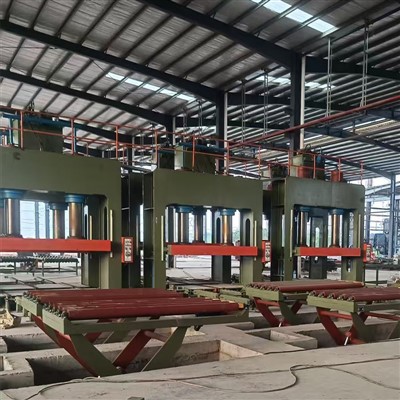
Hey there! I’m a supplier of board edgers, and over the years, I’ve seen my fair share of problems with these machines. In this blog, I’m gonna talk about some of the common issues you might run into with a board edger and how you can solve them. Board Edger
1. Blade – related problems
Dull blades
One of the most common problems I hear from customers is dull blades. When the blades are dull, they won’t cut through the boards cleanly. You might notice that the edges of the boards come out rough or that the machine is working harder than it should to make the cuts.
Solution: First off, regularly check your blades. I usually recommend inspecting them every few days, depending on how often you’re using the board edger. If the blades are dull, you can sharpen them yourself if you have the right tools and skills. However, if you’re not confident doing it, it’s better to send the blades to a professional sharpening service. They have the proper equipment to get the blades back to their optimal sharpness.
Uneven blade wear
Sometimes, you’ll find that the blades wear unevenly. This can happen if the material you’re cutting has hard spots or if the blade is not properly aligned. When the blades wear unevenly, it can lead to inconsistent cuts.
Solution: To prevent uneven blade wear, make sure your board edger is set up correctly. Check the alignment of the blades regularly. You can use a feeler gauge to measure the gap between the blades and the cutting surface. If the blades are already showing uneven wear, you may need to replace them. But before you do that, double – check the alignment to make sure it’s not going to cause the new blades to wear unevenly too.
2. Feeding problems
Feeding jams
Feeding jams are a real pain in the neck. You’re in the middle of a job, and suddenly, the boards get stuck in the feeding mechanism. This can be caused by a few things, like debris in the feeding area, incorrect board thickness settings, or a malfunction in the feeding rollers.
Solution: Clean the feeding area regularly. Remove any sawdust, chips, or other debris that might be clogging up the works. Check the board thickness settings to make sure they match the boards you’re cutting. If the feeding rollers are the problem, inspect them for damage. Sometimes, they can get worn out or damaged, and you may need to replace them.
Inconsistent feeding speed
Another issue with the feeding system is inconsistent feeding speed. If the boards are being fed too fast or too slow, it can affect the quality of the cuts. This can be due to a problem with the motor, the drive belt, or the control system.
Solution: If the feeding speed is inconsistent, start by checking the drive belt. Look for signs of wear or damage, like cracks or fraying. If the belt is worn, replace it. Also, check the motor to make sure it’s running smoothly. You may need to lubricate the motor or tighten any loose connections. If the problem persists, it could be an issue with the control system, and you might need to call in a technician.
3. Alignment problems
Blade alignment
As I mentioned earlier, proper blade alignment is crucial. If the blades are not aligned correctly, the cuts will be off – center, and the boards won’t have straight edges. This can be caused by loose bolts, vibrations during operation, or a misaligned blade holder.
Solution: Regularly check the blade alignment. Use a straightedge to make sure the blades are perfectly straight. If you find that the blades are misaligned, tighten any loose bolts. You may also need to adjust the blade holder. Make small adjustments at a time and test the cuts after each adjustment until you get the alignment right.
Board alignment
Board alignment is just as important. If the boards are not properly aligned when they’re fed into the machine, the cuts won’t be accurate. This can be a result of a misaligned feeding guide or an operator error.
Solution: Check the feeding guide to make sure it’s straight and properly positioned. Make any necessary adjustments to the guide. Also, provide proper training to your operators so that they understand how to align the boards correctly before feeding them into the machine.
4. Dust collection problems
Poor dust collection
A clogged dust collection system can be a major headache. Not only does it make the work area dirty, but it can also affect the performance of the board edger. If the dust accumulates in the machine, it can cause overheating and damage to the moving parts.
Solution: Regularly clean the dust collection system. Empty the dust bags or bins frequently. Check the filters to make sure they’re not clogged. If the filters are dirty, either clean them (if they’re reusable) or replace them. Also, make sure the dust collection ducts are not blocked. You can use a vacuum cleaner or compressed air to clear any blockages.
Dust leaks
Dust leaks are another problem you might encounter. If dust is leaking out of the machine, it can create a health hazard for the operators and make the work environment messy.
Solution: Inspect the machine for any gaps or holes where dust might be leaking. You can use gaskets or sealants to fill any gaps around the doors, panels, or joints. Make sure all the connections in the dust collection system are tight.
5. Electrical problems
Circuit breaker tripping
If the circuit breaker keeps tripping, it could be due to an electrical overload. This can happen if the machine is drawing too much power, maybe because of a faulty motor or a short circuit.
Solution: First, check the motor for any signs of damage or overheating. If the motor seems to be the problem, you may need to replace it. Also, inspect the wiring for any loose connections or frayed wires. Fix any issues you find. If the tripping persists, it’s best to call in an electrician to take a look.
Malfunctioning controls
The controls on the board edger are what allow you to operate the machine. If the controls are not working properly, it can be difficult to use the machine effectively. This can be caused by a software glitch, a damaged control panel, or a problem with the sensors.
Solution: If the controls are malfunctioning, try resetting the machine. Sometimes, a simple reset can fix minor glitches. If that doesn’t work, check the control panel for any visible damage. If it’s damaged, you may need to replace the panel. If the problem is with the sensors, you’ll need to test them and replace any faulty sensors.
In conclusion, while board edgers are great machines for cutting boards, they can run into a variety of problems. But by being proactive and regularly maintaining your machine, you can avoid many of these issues. And if you do run into problems, most of them can be solved with a little bit of troubleshooting and the right tools.
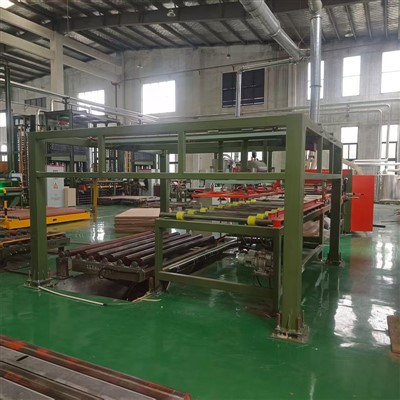
If you’re in the market for a board edger or need help with your existing machine, don’t hesitate to reach out. We’re here to help you find the right solution for your wood – cutting needs. Contact us for more information or to start a purchase negotiation.
Cold Pressing Machine References:
- Years of experience as a board edger supplier
- Industry – standard maintenance guides for board edgers
Jiashan Changle Machinery Manufacturing Co., Ltd.
We’re well-known as one of the leading board edger manufacturers and suppliers in China, also support customized service. Please feel free to buy advanced board edger for sale here from our factory. Quality products and punctual delivery are available.
Address: Building 12, Zone A, Wanyang Innovation City, No. 23 Yucao South Road, Ganyao Town, Jiashan County, Jiaxing City, Zhejiang Province
E-mail: Changle84615620@163.com
WebSite: https://www.changlejx.com/
